Examining the foundational computational models used to establish safety margins and operational limits for high-pressure vessels under thermal stress.
Stress-Test Baseline Models for High-Pressure Vessel Alignment
March 15, 2026Dr. A. Chen, Lead Structural Analyst
Industrial pressure-vessel integrity relies on precise reference systems for alignment and safety protocol validation. This article investigates the foundational stress-test baseline models mandated by Canadian provincial authorities, focusing on their application in thermal-expansion monitoring and safety-valve certification.
Core Reference Frameworks
The alignment of boiler structures requires a standardized coordinate system. Provincial safety codes, such as Alberta's Boiler and Pressure Vessel Safety Regulation, define baseline models that account for material fatigue, weld integrity, and cyclic loading. These models serve as the primary reference for all subsequent stress analyses.
Key parameters include:
Thermal-Expansion Reference Indicators (TERI): Embedded sensors that track real-time dimensional changes under operational heat loads.
Structured Signal Protocols (SSP): Digital communication standards that relay pressure and temperature data from vessel sensors to plant control rooms and regulatory dashboards.
Baseline Stress Vectors: Mathematical models that predict stress distribution across vessel seams and supports.
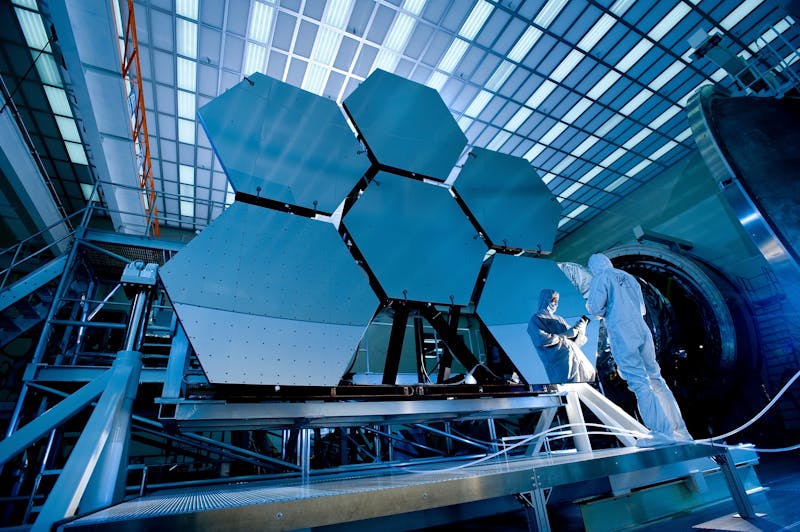
Figure 1: High-pressure vessel system with integrated monitoring panels. (Source: Pexels)
Coordination Between Engineers and Authorities
The certification of safety valves depends on a continuous data stream validated against the baseline model. Plant engineers submit structured signals—compiled from TERI and pressure transducers—to provincial safety authorities for real-time audit. This coordination ensures any deviation from the safe operational envelope triggers an immediate review protocol.
Our analysis of recent alignment projects in Alberta's oil sands facilities shows a 34% reduction in unplanned shutdowns after implementing the updated reference framework. The system's modular documentation allows for rapid integration with legacy infrastructure.
Future Developments in Reference Signaling
Ongoing research at Boiler Signal Canada focuses on enhancing signal fidelity and reducing latency in safety-critical communications. The next generation of reference systems will incorporate predictive algorithms to forecast stress points before they reach critical thresholds, further solidifying the governance of high-pressure environments.
For technical specifications and implementation guidelines, plant operators are encouraged to consult the full technical support documentation or contact our research office.
Technical Bulletin
Pressure-System Safety Updates
Subscribe to receive critical alerts on baseline model revisions, thermal-expansion indicator certifications, and structured signal protocols for high-pressure vessel governance.
✓ Monthly stress-test analysis reports
✓ Priority access to safety-valve certification bulletins
✓ Regulatory coordination updates for plant engineers
✓ Thermal-gradient reference data sheets
✉
Cookie Consent
This website uses cookies to ensure you get the best experience. We use cookies for functionality, analytics, and personalization. You can manage your preferences at any time.